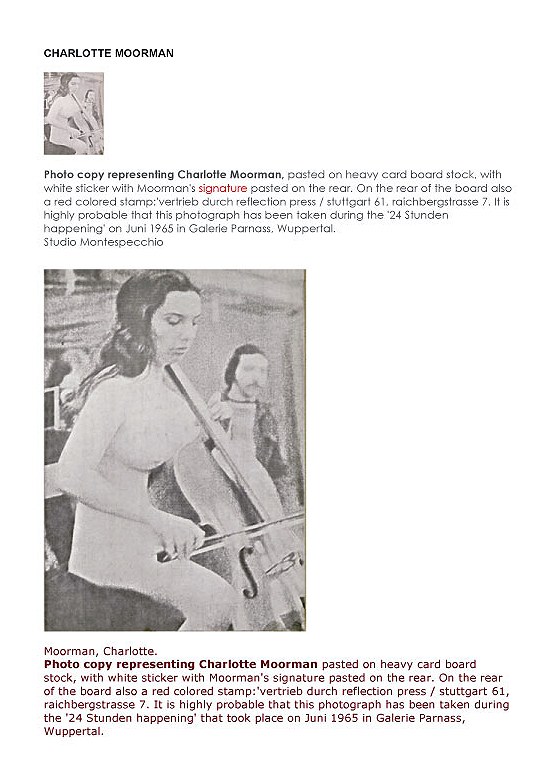
CHARLOTTE MOORMAN, untitled, n.d. [between 1965-1970]
30,8 x 22,5 cm
photostat on heavy brown card board
verso: signed
signature on sticker with red coloured stamp ‘Vertrieb durch Reflection Press / Stuttgart 61, Raichbergstrasse 7’
published by Vertrieb durch Reflection Press, Stuttgart, Germany
splendid condition, extremely well conserved, framed behind anti-UV glass very rare
€ 1.450,- plus € 18,- Track & Trace registered mail
inv.ChMoor 321-pr
Charlotte Moorman had been found guilty of indecent exposure and given a suspended sentence for performing naked.
This picture was probably taken during the ’24 Stunden happening’ in Galerie Parnass, Wuppertal in June 1965. The camera in the background appears in several other photos taken during this performance.
Added information:
The picture below was taken during the same performance, hence the presence of the same camera on the lid of the piano at the background. It is a documentation by Studio Montespecchio (Montese, Italy) describing a photo copy (by a photostat machine) mounted on thick cardboard as well and has also been published by Vertrieb durch Reflection Press, Stuttgart in Germany.
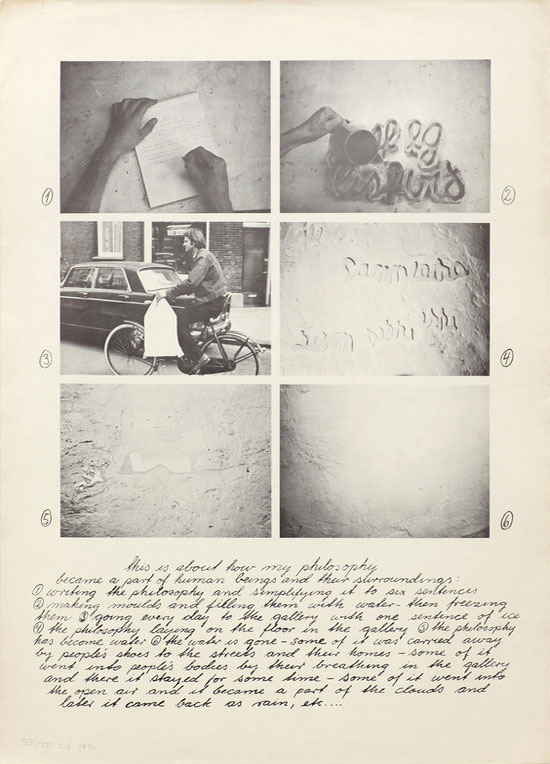
SIGURDUR GUDMUNDSSON, Untitled (Ice Philosophy), 1970
24.5 x 18 inches
black and white print on coloured paper
edition 16, here nr VII/XVI
The edition is partly signed recto at the left corner in edition number, initials and year, partly signed recto at the lower right corner in initials, edition number and year.
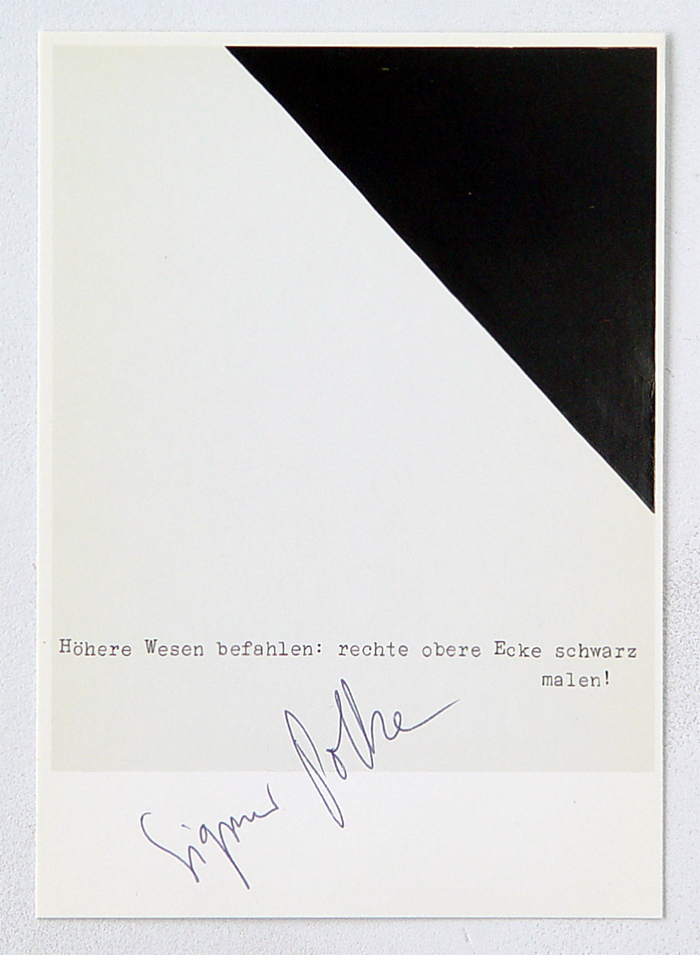
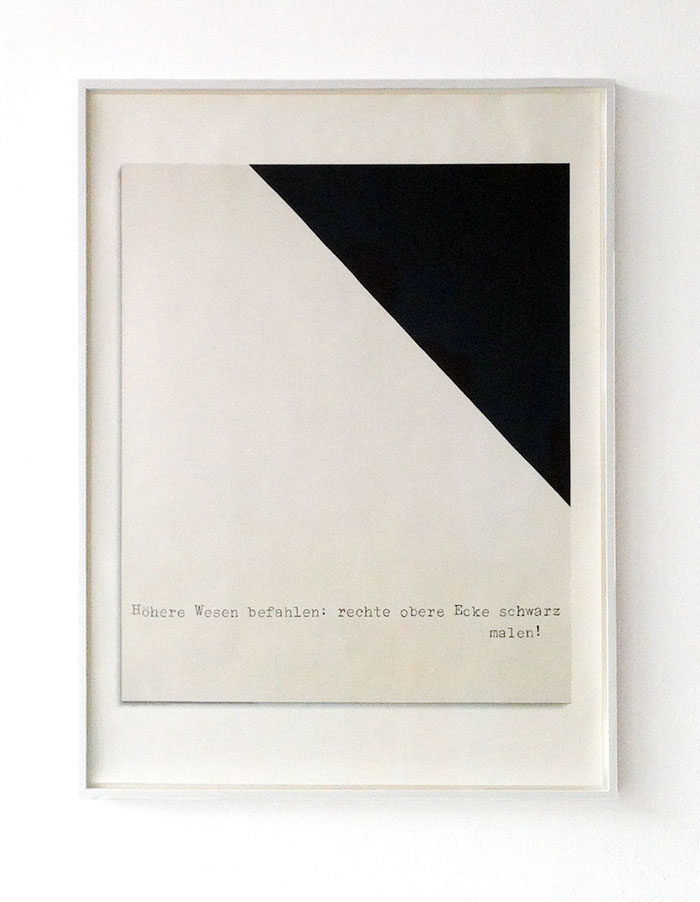
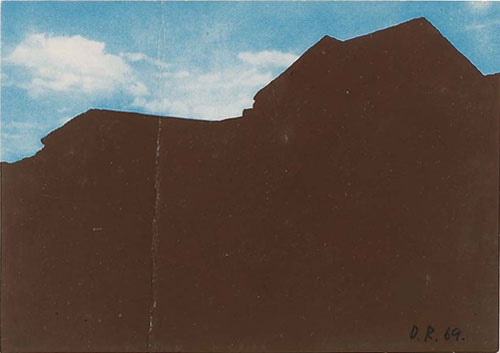
SIGMAR POLKE, Höhere Wesen befahlen: rechte obere Ecke schwarz malen! [1969]
14,8 x 10,5 cm
offset postcard, here signed rare
published by Gebr. König Postkartenverlag, Cologne, Germany
€ 590,- plus € 12,- Track & Trace registered EU mail
inv.SPol 000
This card has been published as part of a set of 10 and was not as such signed. Nevertheless in combination with the René Block poster ‘Höhere Wesen befahlen: rechte obere Ecke schwarz malen!’ this signed postcard may be looked at as an authorization of both this card and the René Block poster from 1969.
SIGMAR POLKE, Höhere Wesen befahlen: rechte obere Ecke schwarz malen!, 1969
96 x 72 cm (93 x 68,5)
offset print on very thin paper, framed behind anti UV-light glass
edition unknown
published by Edition René Block, Berlin, Germany
not available nymore
Sigmar Polke favoured a plan to have a cheap version in print of his painting Höhere Wesen befahlen: rechte obere Ecke schwarz malen! that is part of the collection of Van Abbemuseum in Eindhoven, Netherlands. Both painting and print caused irritation of the public.
This is printed matter on remarkable thin paper with a printed shadow and therefore may be considered as a work on its own. The painting has been photographically reproduced with several additions to its original. In the lower part of the reproduced painting a hue-like horizontal shadow (i.e. in the text part) causes a kind of snapshot-like liveliness. With the shadow lines on the left and bottom around the work depth is created; as if the light comes from the top right corner. Hence more than just a mere reproduction.
It is remarkable that until today TAIL never detected this edition on internet, sites of antiquarians or even auctions. This is definitely a priceless work.
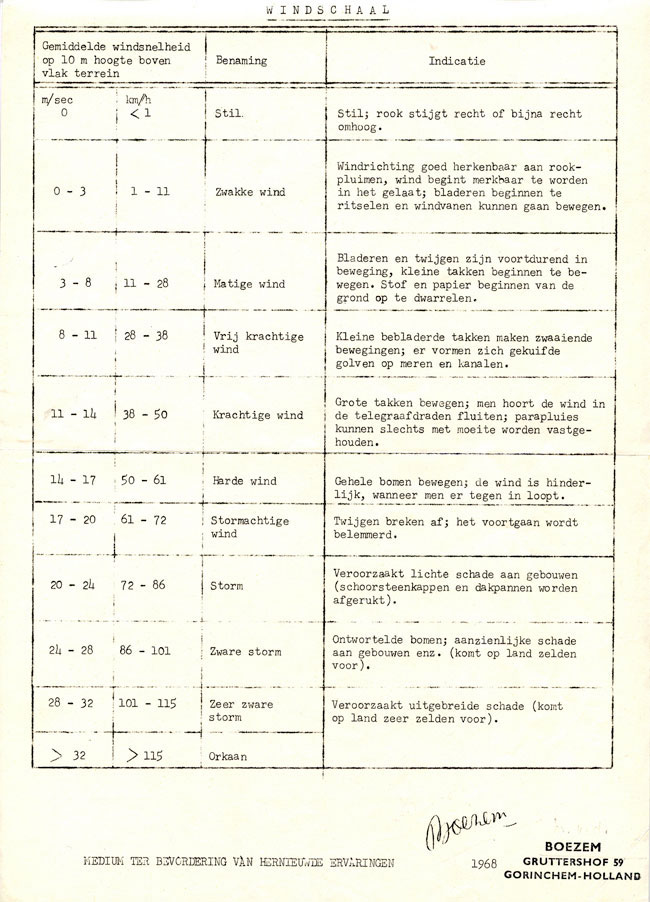
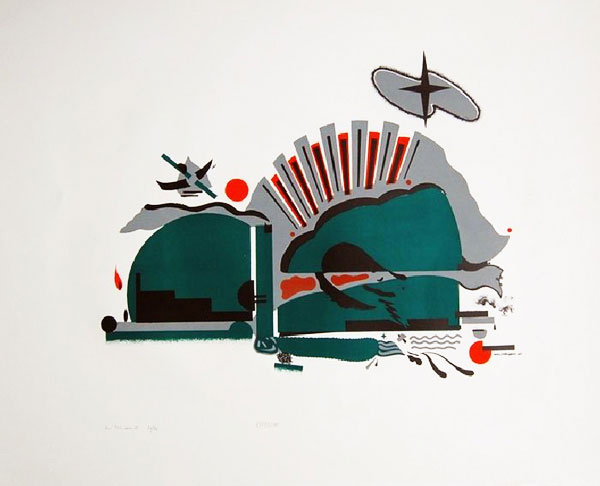
MARINUS BOEZEM, Windschaal, 1968
31 x 21,5 cm
stencil print, hand stamped address signed in print
edition unknown
published by the artist
€ 1000,-
inv. MBoe 500
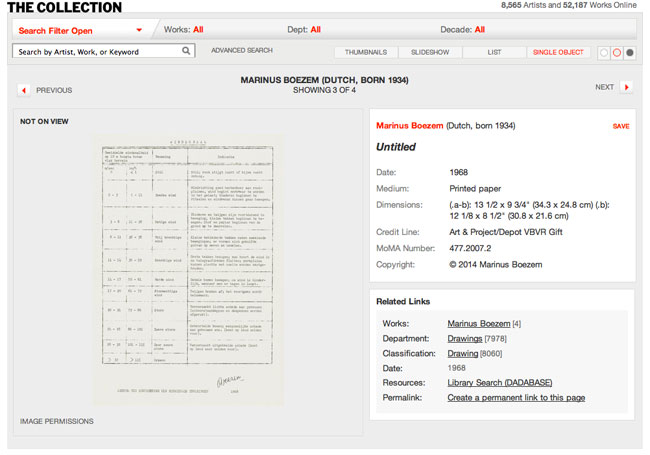
The subtitle of ‘Windschaal’ shown at the bottom of the stencil print is ‘Medium for stimulating renewed experiences’ (in Dutch: ‘Medium ter bevordering van hernieuwde ervaringen’). The print depicted below is in the collection of the MoMa in New York, acquired through Art & Project in Amsterdam.
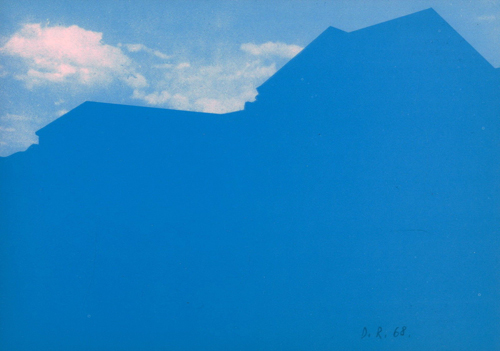
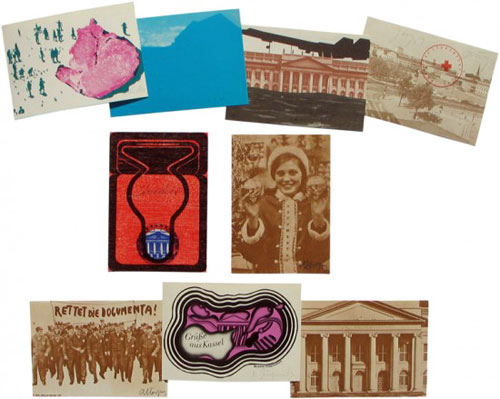
DITER ROT (Dieter Roth), Rathaus, 1968 [Serie 3: Kassel nr. 5]
14,8 x 10,5 cm
offset postcard
out of set of 9 postcards, loose in original clear plastic envelope as issued
signed in initials, dated
published by Edition Tangente and distributed by Klaus Staeck, Heidelberg, Germany
€ 165,- plus € 13,- Track & Trace EU registered mail
References
“Exceedingly rare complete set of original postcards, published by Klaus Staeck in response to the controversial 4th Documenta show in Kassel in 1968. Each of the postcards is classified as an ‘Originalgrafik’, and this set includes Joseph Beuys’ very first artist postcard. This set is special in the fact that every one of the postcards is individually signed by the respective artist. It is not known how many signed sets were ever issued, but it is probable that not more than ten such sets exist. Each postcard’s image is inspired by the Museum Fridericianum in Kassel. List of the postcards: Nr.1 Joseph Beuys – Friedrichsplatz (documenta IV) – signed in pencil. [Ref. Schellmann, Joseph Beuys – The Multiples, P1, page 410]. Nr.2 Gabor Altorjay – Kassel – documenta IV – 1968 – offset – signed in pencil Nr.3 Gabor Altorjay – Kassel – documenta IV – 1968 – offset – signed in pencil Nr.4 Karl Heinz Krull – Friedrichsplatz – 1968 – offset – signed and dated 68 in pencil Nr.5 Dieter Rot – Rathaus – 1968 – offset – signed with initials and dated 68 in pencil Nr.6 Klaus Staeck – Museum Fridericianum – 1968 – woodcut – signed and dated in pencil Nr.7 Wolf Vostell – Multimedia Environment – Kassel 1968 – signed in pen Nr.8 Nikolaus Jungwirth – Museum Fridericianum – 1968 – offset – signed in pencil Nr.9 KP Brehmer – Museum Fridericianum – 1968 – offset – signed in pencil on reverse. This postcard also has Brehmer’s postage stamp which he designed for Documenta.”
Sims Reed Ltd., London, England
Nota Bene 1
DITER ROT (Dieter Roth), Rathaus, 1968 [Serie 3: Kassel nr. 5]
14,8 x 10,5 cm
offset postcard
out of set of 9 postcards, loose in original clear plastic envelope as issued
signed in initials, dated, numbered 1-30
part of ‘Vorzugsausgabe’
published by Edition Tangente and distributed by Klaus Staeck, Heidelberg, Germany
Nota Bene 2
DITER ROT (Dieter Roth), Rathaus, 1968 [Serie 3: Kassel nr. 5]
14,8 x 10,5 cm
scuffed offset postcard, painted, dated 1969
signed in initials
published by Edition Tangente and distributed by Klaus Staeck, Heidelberg, Germany
Nota Bene 3
The edition ‘Rathaus 1968, 9 postcards’ is not to be confused with ‘Heidelberg 1968, 14 postcards’; also published by Edition Tangente in 1968, Also as issued loose in original clear plastic envelope. (14.8 x 10.5 cm each).
Nr.1 Stefan Wewerka – Der Dom zu Köln im Jahre 5040 – offset – signed and dated in pencil on verso Nr.2 Dick Higgins – Der Dom im Himmel – 1968 – offset with collage element – signed in pen Nr.3 Gabor Altorjay – Köln Altstadt – offset – unsigned Nr.4 Karl Heinz Krull – 4711 immer dabei – offset – signed and dated 68 in pen Nr.5a Dieter Rot – Kölner Rheinbogen – offset – signed in pencil Nr.6 Klaus Staeck – Kölner Dom fur Raucher – woodcut – signed and dated in pen Nr.7 Wolf Vostell – Köln die deutsche Haupstadt der Kunst – signed in pen Nr.8 Nikolaus Jungwirth – Dom (ostseite) mit Rhein – offset – signed in pen Nr.9 Jean-Frederic Schnyder – Sieh Köln und Stirb – offset – signed in pen Nr.10 Werner Nöfer – Der Rhein bei Köln – offset – signed in pencil Nr.11 Friedrich Heubach – ziehen sie verbindungen – offset – signed in pen Nr.12 Alison Knowles – from the publication a house of dust – offset – signed in pen Nr.13 Alison Knowles – from the publication a house of dust – offset – signed in pen. Nr.14 Horst Antes – (Brief) – not issued. Nr.15 Joseph Beuys – Köln, signed in pen.
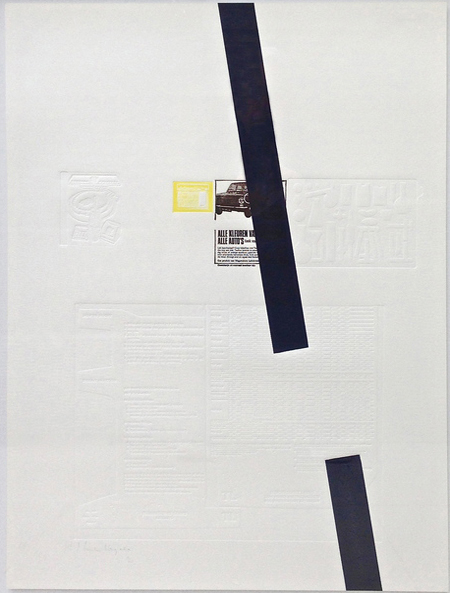
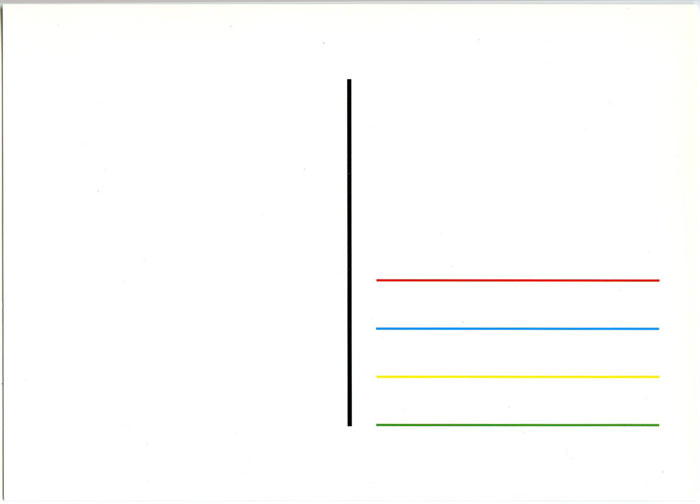
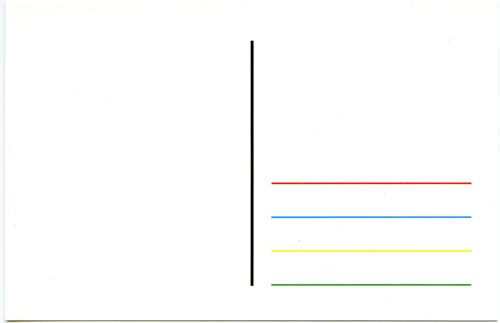
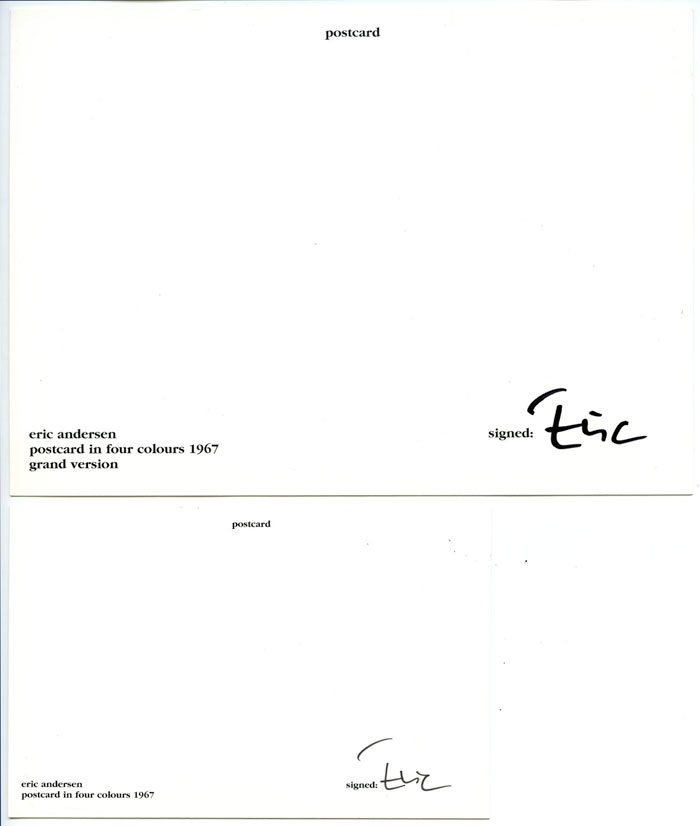
ERIC ANDERSEN, ‘Postcard in four colours 1967’
14,6 x 20,6 cm / 9,4 x 14,5 cm
offset, set of large and small postcards, 2 parts
edition unknown, signed
condition: mint
uncommon, rare as set
€ 365,- plus € 15,- Track & Trace registered mail
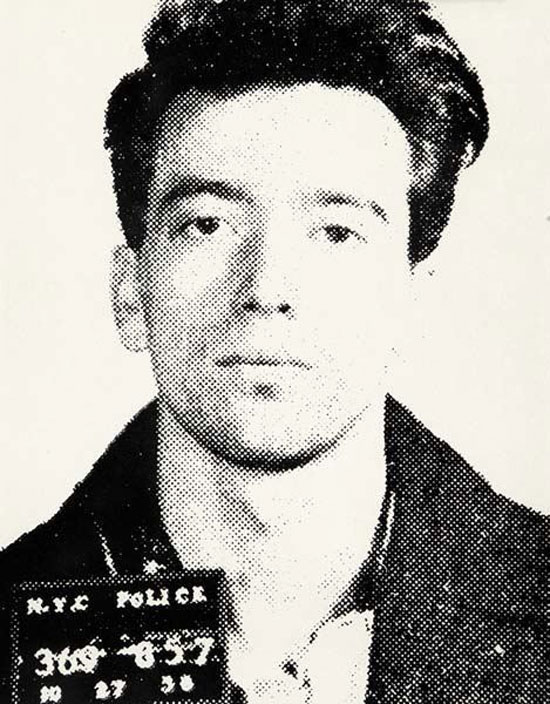
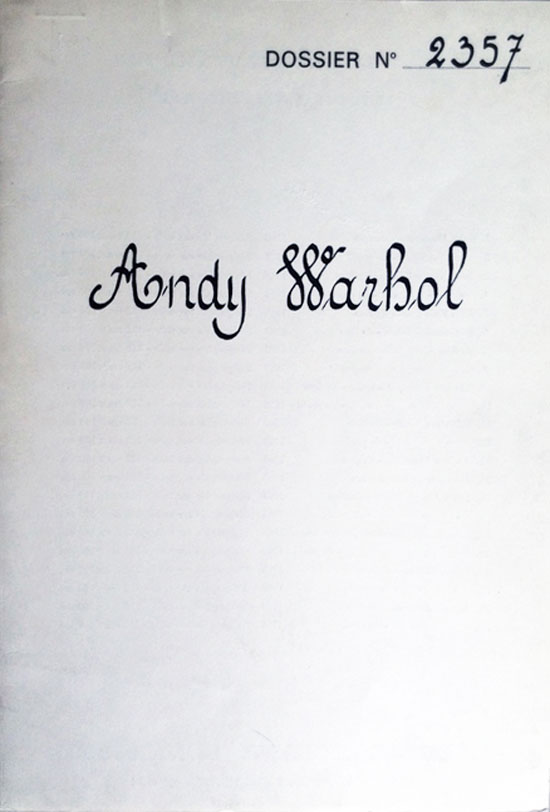
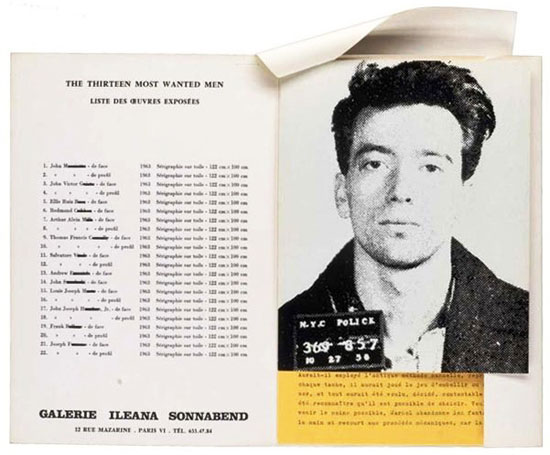
ANDY WARHOL, Dossier Nr 2357 – ‘John Joseph H’, No. 11 from ‘The 13 Most Wanted Men’, 1967
21 x 17 cm
portfolio stapled with screen print, list of works, text in French
published by Galerie Ileana Sonnabend, Paris, France
not available
History of prices:
estimated: € 1.000 – € 1.600 May 2014